Durable 5e (Updated for the 2024 Rules)

Published on: June 10, 2025
Big muscles are appealing, but is the Durable feat really worth it?
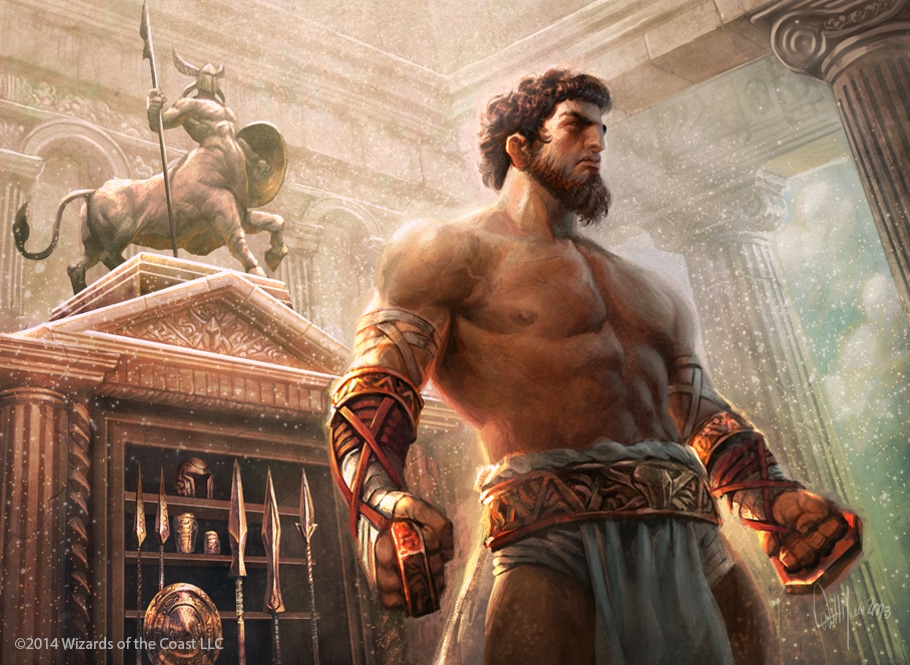
Willian Murai - Wizards of the Coast - Hero of Iroas
Looking for the legacy version of this article based on the 2014 rules? Click here.
What Is the Durable Feat in 5e?
The 2024 version of Durable gives you more flexibility with your Hit Dice. Instead of relying solely on Short Rests to recover, you can now tap into a Hit Die during combat to regain some HP—using just a Bonus Action. This makes it particularly handy for martial characters who often can’t afford to drop an Action for healing or don’t have access to spells like Cure Wounds or Healing Word.
The Defy Death feature is also a solid, if niche, benefit. While Advantage on Death Saves won’t always come up, when it does, it might just keep you alive long enough to pop off that Speedy Recovery and jump back into the fight.
What Changed from 2014?
The original Durable feat gave a Constitution boost and made your minimum Hit Die recovery equal to twice your Constitution modifier. It was mainly a Short Rest optimization feat. The 2024 revision leans more into on-the-fly survivability—putting some healing in your hands during combat, and stacking better with features that let you regain Hit Dice mid-combat.
How Does Durable Work?
Here’s what you get from the 2024 version of the Durable feat:
- Ability Score Increase: Your Constitution score increases by 1, up to a maximum of 20.
- Defy Death: You gain Advantage on Death Saving Throws. This means you’ll very rarely die permanently due to unlucky death saves, but you can still be killed by enemies targeting you while Unconscious.
- Speedy Recovery: As a Bonus Action, you can expend one of your Hit Dice and regain Hit Points equal to the result. It’s important to note that you do not regain extra Hit Points equal to you Constitution modifier like if you were to expend a Hit Dice during a Short Rest.
How to Get the Durable Feat
The Durable feat is available to all classes at level 4 and beyond whenever they can select a feat.
Is Durable Good?
In our 5e Feats Tier List, Durable was given a B Tier rating, making it a niche feat that can improve some builds in D&D 5e.
Durable isn’t flashy, but it’s reliable. It’s a decent pick for frontliners who want a bit more self-sufficiency or characters in parties with limited healing options. The Speedy Recovery feature can keep you upright in low-magic or gritty campaigns, while Defy Death offers a small buffer against going down for good.
Related Feats

Elemental Adept Guide 5e
Elemental Adept allows builds that focus on a particular element to moderately increase their viability. Is Elemental Adept right for your build? Find out…
Thursday June 12, 2025
Dual Wielder Guide 5e
Wield two weapons with style using the new Dual Wielder feat in D&D 5e! The 2024 update tightens the rules and rewards swift, stylish…
Monday June 9, 2025

Defensive Duelist Guide 5e
Dodge sword strikes like a swashbuckling pro with the Defensive Duelist feat in D&D 5e! This Dexterity-based feat boosts your AC with a Finesse…
Wednesday May 21, 2025

Crusher Guide 5e
The Crusher feat can provide a significant power boost to martial builds that rely on bludgeoning damage. How well will it work for your…
Tuesday May 20, 2025
Or follow us on Instagram, Twitter, and YouTube.