Healer 5e (Updated for the 2024 Rules)

Last updated: March 24th, 2025
When wounds are deep and potions are scarce, the Healer feat can be the difference between life and death.
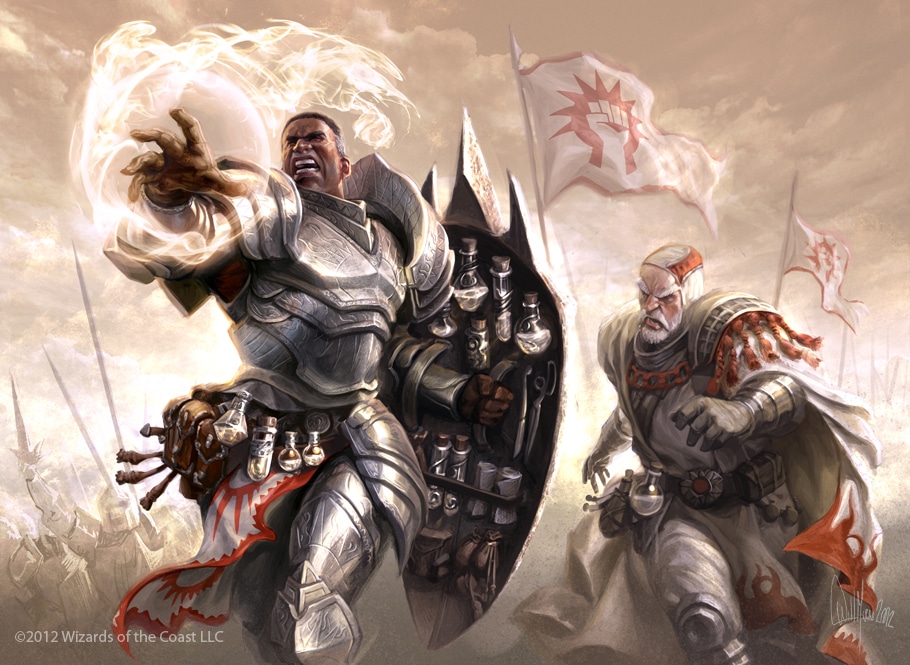
Willian Murai - Wizards of the Coast - Frontline Medic
Looking for the legacy version of this article based on the 2014 rules? Click here.
What Is the Healer Feat in 5e?
While magical healing is prevalent in D&D, the Healer feat allows characters to restore Hit Points using Healer’s Kits. This feat returns from the previous iteration of the Player’s Handbook, though it has been made one of the Origin feats you can pick up with your background.
It’s also been adjusted so it’s more versatile outside of stabilizing downed allies or even using Healer’s Kits, which we’ll dig into more below!
How Does Healer Work?
The Healer feat provides two main benefits:
Battle Medic: If you have a Healer’s Kit, you can expend one use of it and tend to a creature within 5 feet as a Utilize action. This allows the target to expend one of their Hit Point Dice, which you then roll. The target regains Hit Points equal to the roll + your Proficiency Bonus. While having extra healing resources is great, usually, action-based healing isn’t particularly effective in D&D 5e because of how action economy and monsters work in combat. Plus, this now isn’t as effective out of combat because the creature you’re healing has to expend a Hit Dice. Still, it’s effective at lower levels when you’re more likely to run low on spell slots, and you get it for free at level 1, so it’s not a bad shout.
Healing Rerolls: Whenever you roll a die to determine the number of Hit Points restored from a spell or aforementioned Battle Medic feature, you can reroll a 1 and must use the new roll. While this isn’t going to drastically increase your healing output, rolling a 1 on a heal feels bad. This is a nice little boost that’s consistently beneficial no matter how high your level is. Usually, dice from healing effects range from d4 to d8, and increasing the spell slot expended increases the number of dice, which means you could potentially reroll more than 1 dice per heal.
What is a Healer’s Kit?
A Healer’s kit is a basic item that can be used to stabilize a creature with 0 Hit Points without needing to make a Wisdom (Medicine) check. It costs 5 GP and has ten uses, making it a good option to carry around in your pack, even for adventurers who don’t have the Healer feat.
How to Get the Healer Feat
You can pick up the Healer feat when you choose the Hermit background at character creation or any other time you’re allowed to choose a feat (like at character level 4).
Is Healer Good?
We gave Healer a C Tier rating In our 5e Feats Tier List, making it a below-average feat in D&D 5e.
The Healer feat has got some decent buffs in the 2024 Player’s Handbook. Now, when you heal using the Healer’s Kit, the target gets to use their Hit Dice, making it more effective for classes with higher Hit Dice. That said, you can’t use this on creatures that have spent all their Hit Dice.
You can also reroll and 1s on healing dice, which can provide a minor boost to your healing efforts. Seeing as healing spells in the 2024 Player’s Handbook have had their healing dice doubled, this keeps the feat in line with the increased power level. Still, healing-dedicated builds aren’t necessarily needed in D&D, so usually something like Healing Word to revive downed enemies from a distance as a Bonus Action is all you’ll need. Unfortunately, this doesn’t work when you chug a Potion of Healing.
Tankier characters who prefer to be in the frontlines, like Barbarians, Fighters, and Rangers, might also enjoy being able to heal as an action without needing a caster. These brawny types usually have a d10 or higher Hit Dice as well, meaning they can potentially heal for a lot more when they use it on themselves.
Rogues do surprisingly well with this feat because of Cunning Action, so they can Disengage with their Bonus Action, move out of reach of an enemy, and heal all in the same turn. This is especially true for Thiefs, who can use the Utilize action as a Bonus Action, allowing them to heal and attack in the same turn.
Clerics or Druids who cast a lot of healing spells will also see a decent boost to their healing capabilities, thanks to being able to reroll 1s on healing dice.
Healer 5e Interactions
Why is the Healer Feat Suboptimal?
The way that D&D 5e is designed makes healing in the middle of combat subpar unless you spend resources on the more powerful spells, like the level 7 Heal spell. Most of the time, using your action to output damage is going to result in a more successful combat. This is because the lower-level healing spells heal for the same or less amount that damage spells produce.
The most important time to spend resources on healing is when a party member is downed. Removing one of your allies from combat severely impacts your action economy and, therefore, makes combat much more challenging. This is why the level 1 Healing Word, which is a Bonus Action and can heal at range, is one of the most effective healing spells in the game.
The 2024 Player’s Handbook has luckily added the Healing Rerolls benefit, which allows you to reroll 1s when you roll healing dice, which boosts Healing Word, making this more efficient than its previous iteration.
Related Feats

Elemental Adept Guide 5e
Elemental Adept allows builds that focus on a particular element to moderately increase their viability. Is Elemental Adept right for your build? Find out…
Thursday June 12, 2025

Durable Guide 5e
Big muscles are appealing, but is the Durable feat really worth it?
Tuesday June 10, 2025
Dual Wielder Guide 5e
Wield two weapons with style using the new Dual Wielder feat in D&D 5e! The 2024 update tightens the rules and rewards swift, stylish…
Monday June 9, 2025

Defensive Duelist Guide 5e
Dodge sword strikes like a swashbuckling pro with the Defensive Duelist feat in D&D 5e! This Dexterity-based feat boosts your AC with a Finesse…
Wednesday May 21, 2025
Or follow us on Instagram, Twitter, and YouTube.